October 24, 2026
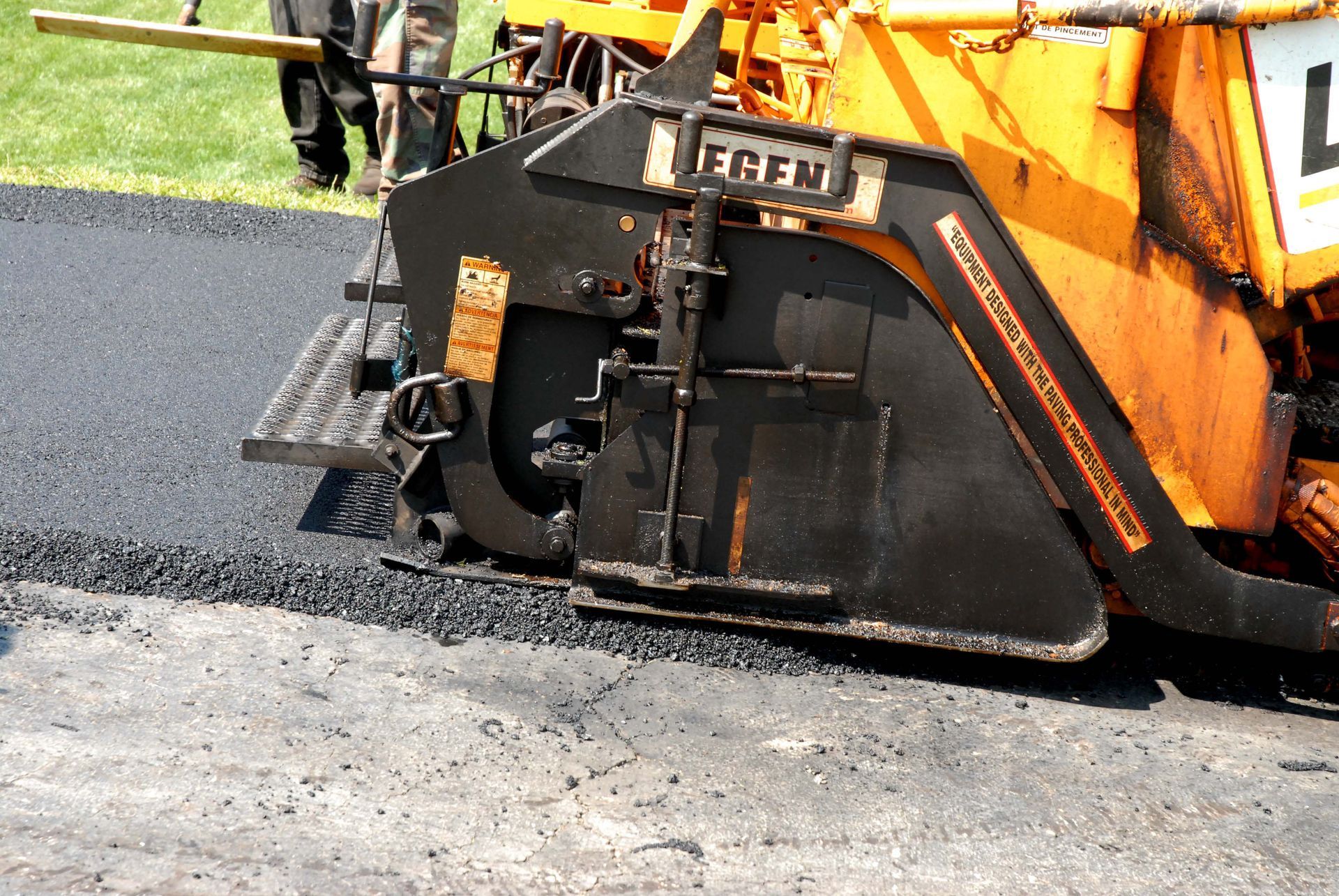
Asphalt driveway paving is a top choice for properties due to its durability and clean appearance. A smooth surface provides instant curb appeal while handling daily traffic from cars and trucks. Property owners value resilience against routine wear, making it a sound investment. Proper planning and installation ensure that pavement stays intact across changing seasons.
The total lifespan of asphalt driveway paving depends on regional weather, material quality, and ongoing maintenance. Proactive care guards against early decay and surface breakdown. Understanding how core components interact allows homeowners to maximize their pavement investment. By managing surface care, property owners preserve structural integrity and keep driveways functional.
Evaluating Asphalt Material Composition
Understanding material composition is essential when planning any paving project. Bitumen acts as the binder holding stone, gravel, and sand together in a solid layer. Quality bitumen allows pavement to remain flexible under changing temperatures and vehicle weight. Regular inspection of the binder ensures long-term resistance against cracking.
Aggregates like sand, gravel, and stone provide structural strength across the surface. Each aggregate type serves a specific role, with gravel offering impact resistance and sand creating a smooth finish. Proper grading and precise blending result in a dense mat that distributes weight evenly. Selecting the right combination of stones ensures the driveway resists fatigue.
Environmental adaptability allows asphalt driveway paving to withstand climatic stress without damage. The dark surface absorbs heat, helping melt snow and ice quickly during winter. Protecting the binder from sun exposure and standing water remains essential to prevent degradation. Modern innovations like warm mix formulas and recycled materials further enhance performance while supporting sustainability.
Identifying Factors Affecting Lifespan
Climate and regional weather play significant roles in determining surface durability. High heat softens the binder, creating susceptibility to rutting, while freezing conditions induce contraction and cracking. According to HomeGuide, choosing hot mix asphalt delivers the most durable residential option, offering strong weather resistance and lasting 15 to 30 years with diligent maintenance. Managing seasonal moisture protects the subgrade from erosion.
Installation quality directly determines how long a paved driveway remains stable. Proper ground preparation, including complete sub-base compaction and vegetation removal, prevents uneven settling over time. Adhering to standards regarding layer depth and compaction minimizes early structural failure and costly future repairs. Working with experienced contractors ensures precise execution from excavation through rolling.
Vehicle weight and usage frequency heavily influence the overall degradation rate. Heavy trucks and frequent traffic require stronger aggregate blends and thicker application layers to prevent cracking. Proper drainage channels and sloped surfaces divert water away from critical load-bearing sections, stopping moisture from weakening the subgrade. Effective water management remains key for extending pavement utility.
Applying Installation Best Practices
Preparing groundwork forms the foundation of any successful paving project. Excavation crews must remove topsoil, roots, and debris to establish a solid subgrade foundation. Compacting the sub-base with heavy machinery establishes a stable surface capable of supporting heavy traffic without shifting. Skipping ground preparation leads to uneven surfaces, water retention, and premature cracking.
Selecting the right material mix balances surface flexibility with load-bearing capacity. Contractors adjust formulations based on local climate patterns and anticipated traffic volume. Warmer regions benefit from specialized mixes that resist softening, while colder climates require flexible binders to survive freeze-thaw cycles. Using modern pavers and rollers guarantees uniform compaction and smooth material distribution.
Timing the paving process during optimal weather conditions guarantees proper material bonding. Moderate ambient temperatures and dry conditions allow crews to compact hot material before it cools too quickly. Applying distinct courses, including base layers and surface layers, ensures even weight distribution and superior moisture drainage. Careful attention to layer thickness protects the driveway against cracking.
Executing Effective Maintenance Routines
Routine sweeping and debris removal protect asphalt driveway paving from surface stains and chemical degradation. Leaves, dirt, and motor oil collect on the surface, degrading the bitumen binder over time. Regular cleaning prevents harmful contaminants from penetrating the porous surface and weakening structural bonds. Removing organic debris allows surface water to evaporate rapidly, preventing moisture damage.
Sealcoating creates a protective barrier that shields asphalt driveway paving against sun exposure, water, and automotive fluids. Applying sealcoat every few years restores deep, dark color while filling minor surface voids. This preventative layer stops oxidation and keeps material flexible enough to resist stress cracks. Scheduled sealcoating offers significant cost savings by delaying major resurfacing projects.
Promptly repairing small cracks and potholes prevents minor surface defects from becoming extensive failures. Moisture penetrating open cracks freezes during winter, expanding fissures and destroying the subgrade beneath. Using commercial crack fillers and cold-patch materials seals open gaps and stops progressive water damage. Establishing a seasonal inspection routine allows property owners to address minor issues early.
Resolving Common Surface Issues
Potholes form when water penetrates weak base layers, causing structural collapse under heavy vehicle weight. Resolving potholes requires removing loose debris, applying quality patching material, and compacting the area. Prompt repairs restore a smooth driving surface and stop water from infiltrating surrounding pavement sections. Staying vigilant regarding small depressions keeps the driveway safe and appealing.
Poor drainage damages asphalt driveway paving by saturating subgrade soils and creating weak foundational spots. Standing water, surface erosion, and unexpected weed growth indicate runoff is not clearing properly. Installing surface drains, swales, or re-grading surrounding soil redirects water flow away from the paved structure. Proper drainage control prevents structural settling and keeps base layers stable.
Surface cracking occurs due to temperature swings, heavy vehicle loads, or improper base compaction during installation. Applying flexible polymer crack sealants in mild weather seals open gaps and stops moisture intrusion. Addressing surface discoloration with fresh sealcoat restores aesthetic appeal while reinforcing UV protection. Correcting soil heaving requires stabilizing subgrade before applying new material.
Deciding Between Resurfacing and Repaving
Evaluating existing surface conditions helps property owners decide whether resurfacing or complete repaving is necessary. Resurfacing applies a fresh layer over an existing base, providing a cost-effective solution for minor surface wear. Severe structural failure, widespread potholes, or shifting subgrade soils require complete repaving to rebuild the foundation. Professional inspections provide accurate assessments to guide property owners.
Comparing project costs involves weighing initial expenditures against future maintenance savings and long-term pavement lifespan. Resurfacing offers lower upfront costs, making it attractive for budget-conscious owners addressing minor cosmetic issues. Repaving requires a larger initial investment but creates a completely new foundation that eliminates recurring repair expenses. Evaluating long-term utility allows owners to make informed decisions.
Analyzing case studies and consulting experienced paving contractors provides valuable insight into project expectations. Professional advice helps owners choose suitable aggregate mixes and maintenance schedules tailored to local climate conditions. Understanding structural demands ensures property owners achieve lasting durability. Careful planning and quality contractor selection ensure a successful project from design to completion.
Understanding material composition, climate factors, and installation best practices enables property owners to maximize driveway performance. Investing in high-grade materials and adhering to disciplined maintenance schedules ensures structural integrity and visual appeal. Proactive care prevents minor issues from escalating into expensive structural repairs, protecting your overall property investment. Proper surface management delivers a smooth entry point that serves your home.
Choosing the right partner for your installation and maintenance needs ensures flawless execution and lasting results. From groundwork preparation to routine sealcoating, professional expertise guarantees superior surface performance across every season. Taking action today safeguards your investment and enhances curb appeal for years to come. For expert asphalt driveway paving solutions and outstanding workmanship, contact us at Fuller & Sons Blacktop Paving today to schedule a consultation.