November 4, 2026
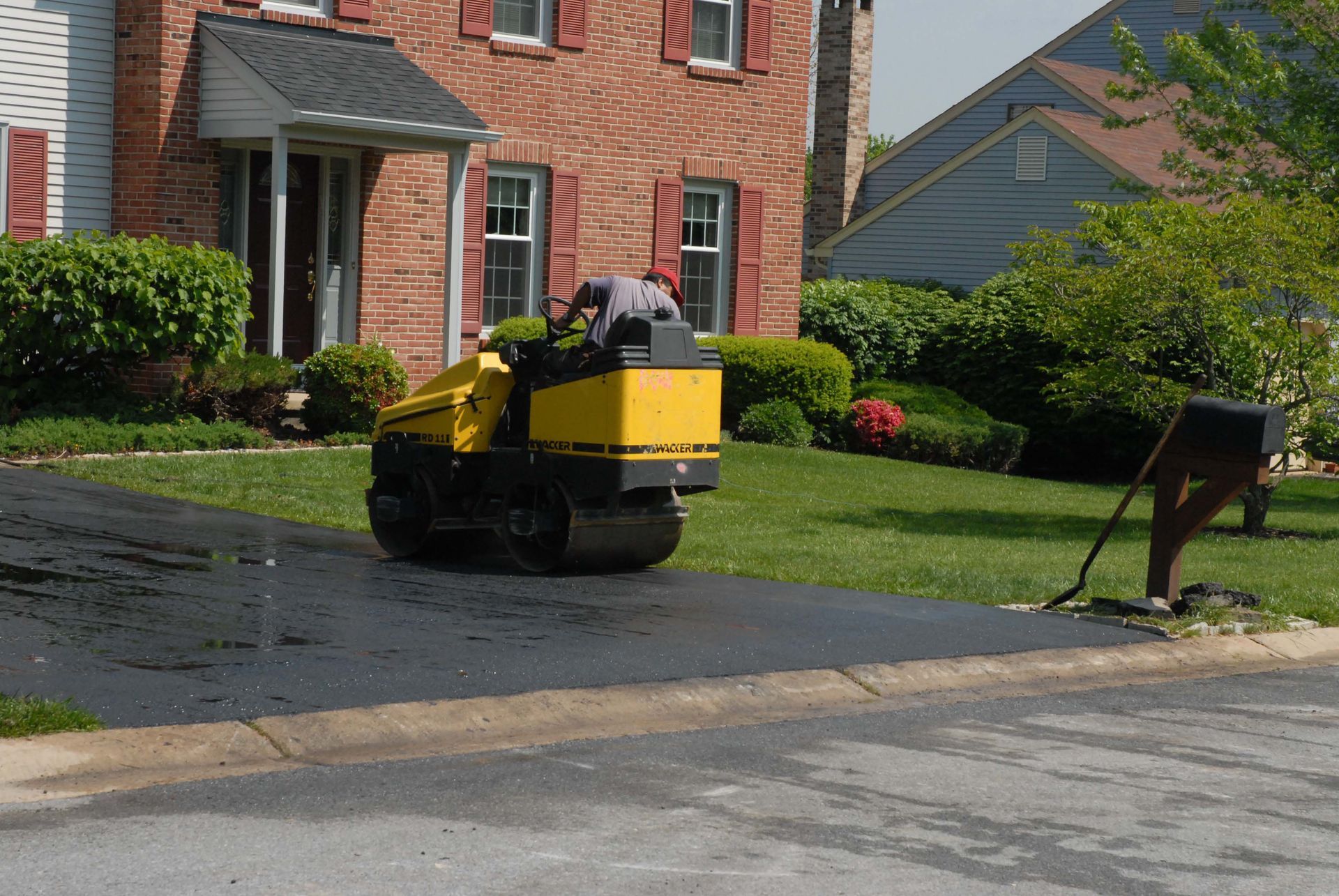
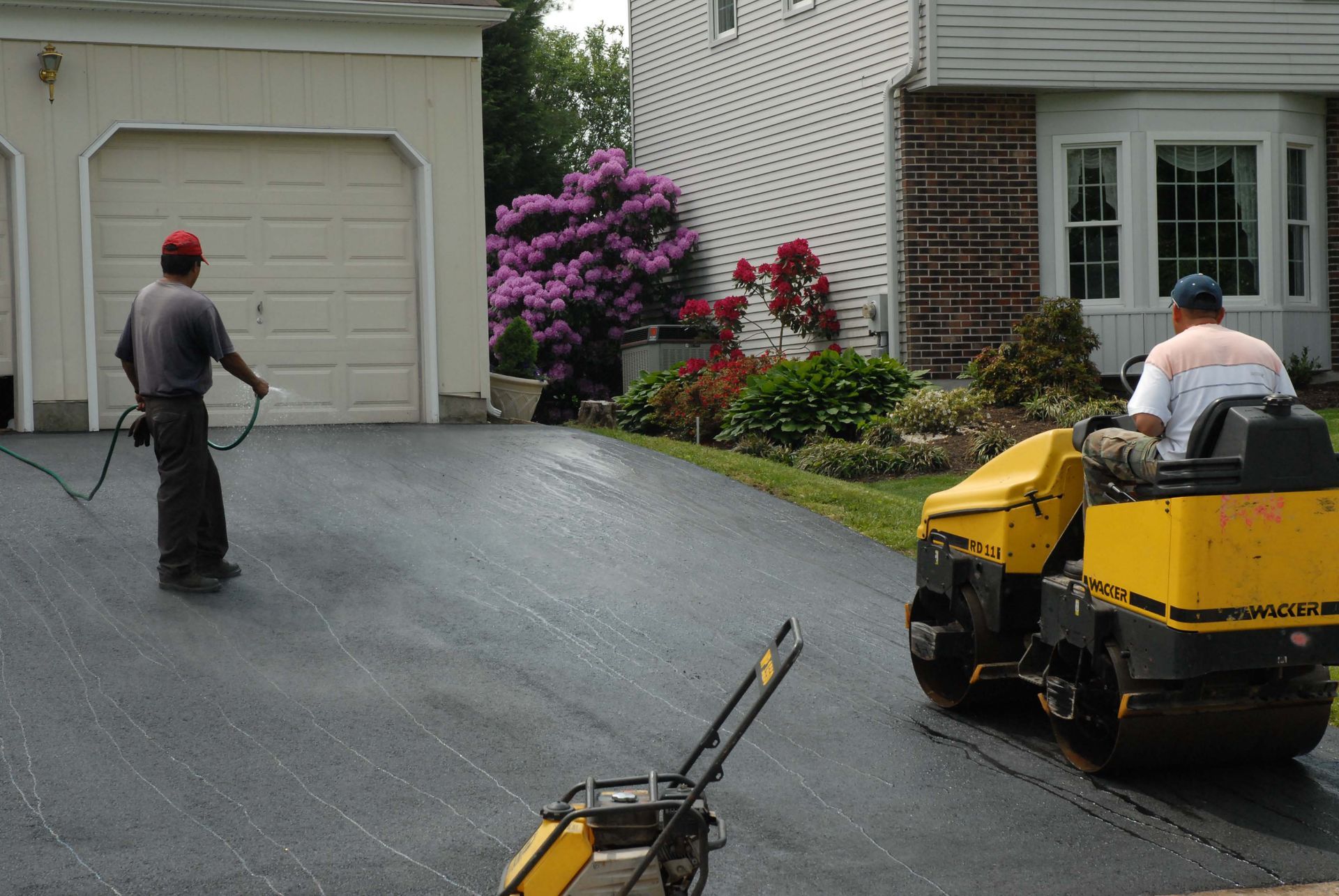
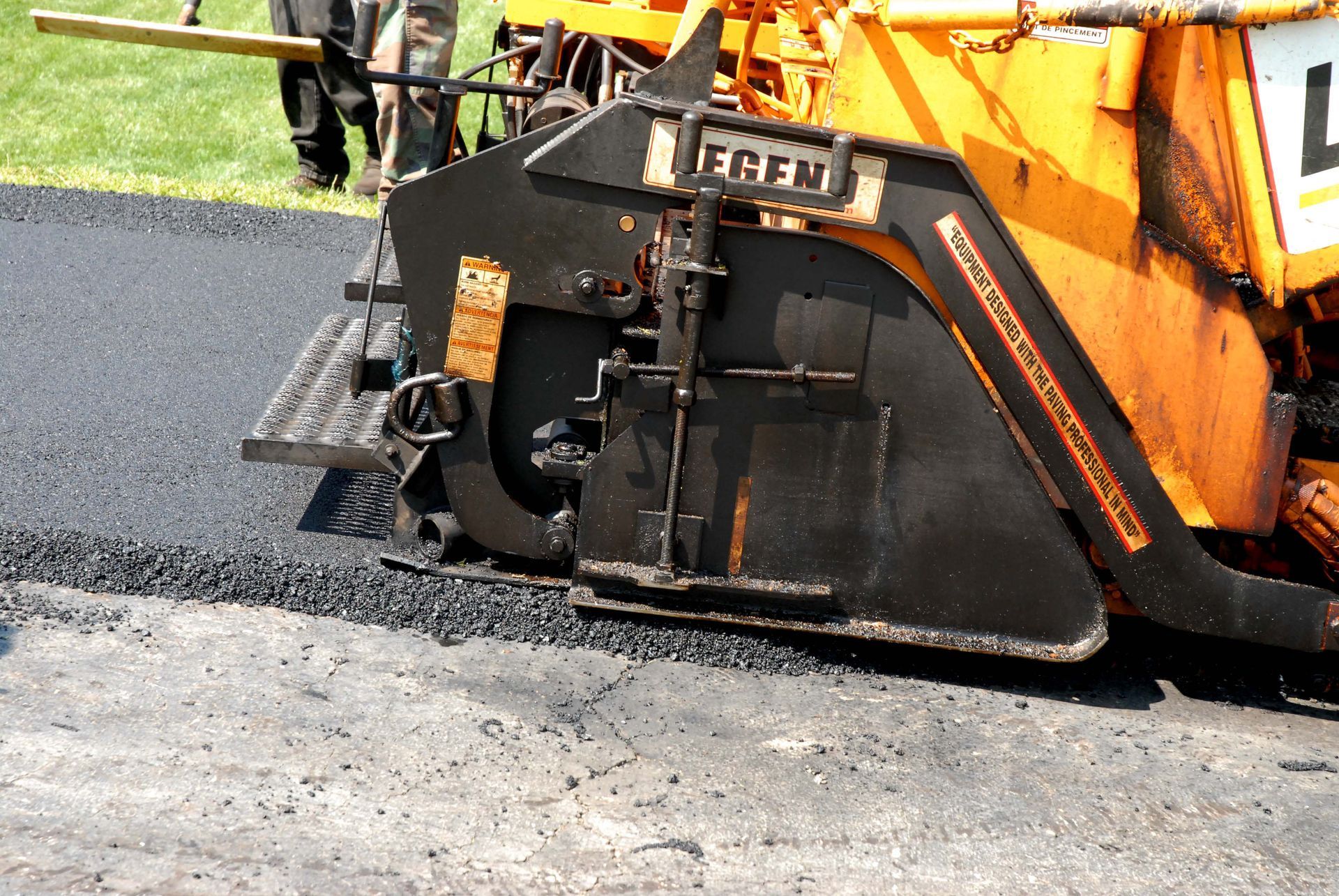
Maintaining paved surfaces is essential for preserving their appearance, usability, and structural integrity over time. Driveways, parking areas, and other paved spaces experience regular pressure from vehicles, changing weather conditions, and everyday wear. Without proper care, small cracks and surface defects can gradually develop into more extensive problems that require expensive repairs. Blacktop paving provides a durable surface that, when installed correctly and maintained consistently, can support long-term pavement performance. Understanding how asphalt surfaces respond to wear helps property owners make informed decisions about maintenance and repair schedules. Routine inspections, effective drainage, timely crack repairs, and appropriate surface treatments can all contribute to a pavement's longevity. Working with an experienced paving professional can also help identify developing concerns before they become more difficult to manage. By combining quality installation with proactive maintenance, property owners can protect their investment and keep paved areas functional for years.
Creating a Durable Pavement Foundation
Long-term pavement performance begins with a properly prepared foundation that can support repeated vehicle loads. Before construction starts, a paving professional evaluates the ground conditions and determines the preparation needed for the intended surface. This may include grading, removing unsuitable soil, adding aggregate, and compacting the base materials. A stable foundation helps distribute weight across the pavement and reduces the likelihood of uneven settling. When blacktop paving is installed over a properly prepared base, the finished surface is better positioned to withstand regular traffic. Inadequate preparation can contribute to depressions, cracking, and other defects that become more noticeable over time. The appropriate base design depends on factors such as soil conditions, expected traffic, drainage, and the purpose of the paved area. Investing in proper groundwork helps establish the conditions necessary for effective maintenance and long-term durability.
Reducing Wear From Everyday Traffic
Paved surfaces experience repeated stress from passenger vehicles, delivery trucks, and other traffic using the area. Over time, these loads can contribute to surface wear, cracking, and deformation, particularly where vehicles regularly turn, brake, or remain parked. A properly designed asphalt surface can accommodate normal traffic when its structure is suitable for the expected loads. Property owners should communicate how the pavement will be used so the contractor can recommend an appropriate construction approach. Residential driveways generally have different demands from commercial parking lots or areas that accommodate frequent heavy vehicles. Choosing suitable materials and pavement thickness can help reduce the risk of premature deterioration. Regularly observing high-use sections may also reveal early signs of stress that deserve attention. Addressing these areas promptly can help prevent minor defects from spreading and preserve the pavement's overall functionality.
Protecting the Surface From Weather
Weather conditions can influence how asphalt pavement ages and how frequently maintenance may be necessary. Sunlight and heat can gradually contribute to binder aging, leaving the surface more susceptible to brittleness and cracking. Rain can enter existing openings and affect the materials beneath the pavement, especially when drainage is poor. In colder climates, repeated freezing and thawing can worsen cracks and contribute to surface deterioration. According to the National Asphalt Pavement Association, asphalt is used on approximately 94% of the 2.8 million miles of paved roads across the United States. Its widespread use highlights the important role asphalt plays in maintaining the country's transportation surfaces. Property owners can help protect their own paved areas by monitoring weather-related damage and arranging repairs when needed. Selecting suitable materials and following recommended maintenance practices can help asphalt surfaces withstand local environmental conditions more effectively.
Preventing Small Cracks From Spreading
Cracks are among the common pavement defects that property owners should monitor during routine maintenance. They can develop because of aging, temperature changes, traffic loads, underlying movement, or water-related damage. If left untreated, openings in the surface may allow moisture to reach the supporting layers and contribute to more extensive deterioration. Blacktop paving maintenance often includes evaluating cracks and determining whether an appropriate repair material or a more substantial correction is needed. Crack sealing may help limit water infiltration when the crack type and pavement condition make the treatment suitable. However, sealing alone will not resolve every underlying structural problem. Widespread cracking, deep depressions, or recurring damage may indicate that professional assessment is necessary. Addressing defects according to their severity helps property owners avoid relying on temporary treatments when more comprehensive repairs are required.
Improving Drainage and Water Control
Effective drainage is a key part of maintaining pavement because standing water can accelerate deterioration. Water that collects on the surface may enter cracks, weaken supporting materials, or contribute to damage along pavement edges. Poor drainage can also create slippery areas and reduce the usability of driveways and parking spaces. During maintenance assessments, a paving professional can look for low spots, damaged edges, and areas where water consistently accumulates. Depending on the cause, corrective work may involve improving surface grading, addressing drainage features, or repairing damaged sections. Keeping nearby drains and runoff pathways clear can also help water move away from paved areas as intended. Property owners should pay particular attention to recurring puddles after rainfall because they may indicate a grading or settlement concern. Correcting drainage problems can help protect the pavement structure and reduce the likelihood of repeated repairs.
Scheduling Consistent Pavement Inspections
Routine inspections help property owners recognize developing problems before they affect larger portions of the surface. A visual review can identify cracks, loose aggregate, potholes, faded markings, drainage issues, and other noticeable changes. The frequency of inspections depends on the pavement's age, traffic levels, environmental exposure, and existing condition. High-use commercial surfaces may require more frequent attention than lightly used residential driveways. During blacktop paving maintenance, a professional can assess visible defects and recommend repairs based on their severity and likely causes. Keeping records of recurring problems can help owners recognize patterns and plan maintenance budgets more effectively. Inspections are especially useful after severe weather or periods of unusually heavy traffic. A consistent maintenance schedule supports informed decisions and helps reduce the risk of overlooking damage until repairs become more disruptive.
Extending Pavement Life Through Preventive Care
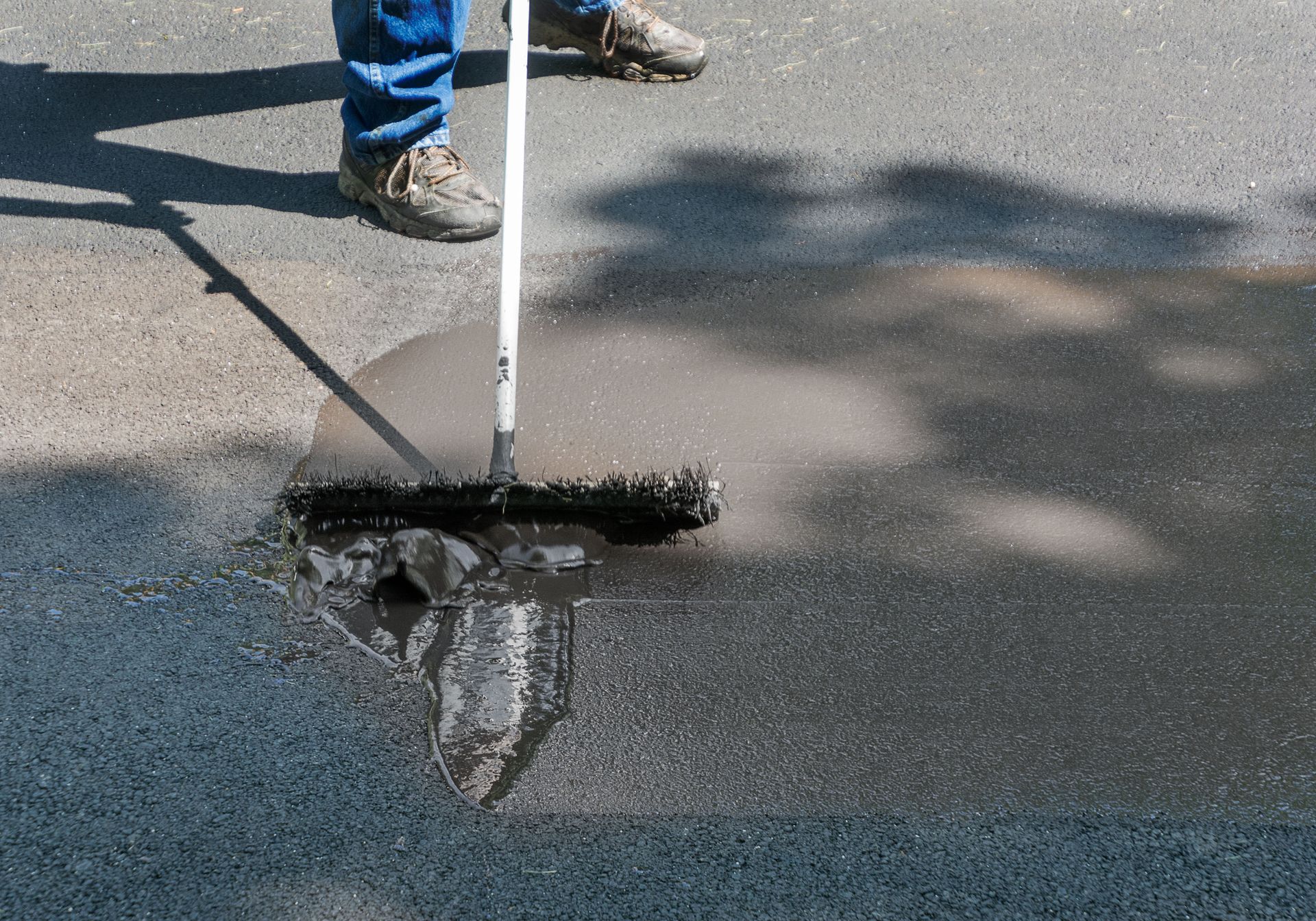
Preventive maintenance focuses on protecting pavement before deterioration becomes extensive. Depending on the surface's condition, suitable measures may include crack repairs, localized patching, drainage corrections, or professionally recommended sealcoating. Sealcoating can help protect an appropriate asphalt surface from certain forms of weathering, but it cannot restore a failed foundation or repair major structural damage. Property owners should therefore have the pavement evaluated before choosing a treatment. A qualified contractor can explain which maintenance options are appropriate and when more extensive rehabilitation may be necessary. Cleaning the surface, controlling water flow, and avoiding unnecessary heavy loads can also support pavement performance. Maintaining the edges and promptly addressing isolated defects may help prevent damage from spreading into surrounding areas. Combining these measures with professional guidance can help property owners make practical decisions about preserving their paved surfaces.
Long-lasting pavement depends on more than the initial installation; it also requires regular observation, suitable repairs, and attention to drainage and surface conditions. From preparing a stable foundation to addressing cracks and weather-related deterioration, each maintenance step can contribute to better pavement performance. A proactive approach may help property owners reduce avoidable damage, manage repair costs, and preserve the usability of their driveways or parking areas. Fuller & Sons Blacktop Paving can help property owners assess their paving needs and determine appropriate next steps for their surfaces. Discuss any visible cracking, uneven areas, drainage concerns, or other changes that may require professional attention. Contact us to learn more about maintaining your asphalt surfaces and supporting their long-term performance.