November 16, 2026
Blacktop surfaces rarely fail all at once. Small cracks, shallow depressions, loose aggregate, and drainage problems often appear before major deterioration develops. Recognizing those warning signs early can give homeowners and property managers more options for addressing the problem before a larger section of pavement needs to be rebuilt.
At Fuller & Sons Blacktop Paving, we provide paving, maintenance, and blacktop repair throughout Northwest Iowa. Knowing what changes to watch for can help you decide when a surface needs professional attention and when routine maintenance may no longer be enough.
Address Cracks Before Water Reaches the Base
Cracks are among the most common early signs of asphalt deterioration. They may form because of age, temperature changes, traffic, movement in the base, or repeated freeze-thaw cycles. A narrow crack may appear minor, but it can provide a path for water to move below the surface.
Once moisture reaches the layers beneath the pavement, the base can weaken. Freezing water can expand and place additional pressure on surrounding asphalt, allowing a small opening to widen or contribute to potholes.
Fuller & Sons offers hot rubberized crack sealing designed to help limit water infiltration. The appropriate repair depends on the width, pattern, and cause of the cracking, so widespread or interconnected cracks should be evaluated rather than simply covered.
Repair Potholes Before Their Edges Continue to Break
Potholes usually indicate that pavement has already lost material. Traffic passing over the weakened area can loosen more asphalt around the edges, allowing the opening to become wider and deeper. Water inside the damaged section can make the cycle worse.
Professional blacktop repair can remove unstable material and restore the damaged area more effectively than repeatedly filling the same hole with a temporary patch. Fuller & Sons provides pothole repair for driveways, parking lots, and other asphalt surfaces throughout the region.
Investigate Standing Water and Drainage Problems
Water should move away from paved surfaces rather than remain in low areas. If puddles consistently appear in the same spots after rain, the pavement may have settled, drainage may be inadequate, or the original slope may no longer be directing water effectively.
Standing water can accelerate deterioration by finding its way into cracks and weak areas. It can also indicate that the surface or supporting base has changed shape. Simply sealing the top may not solve a problem caused by grading or structural settlement.
Fuller & Sons includes grading and drainage considerations in paving and parking lot work. A professional evaluation can help determine whether localized repair, resurfacing, or a more extensive correction is appropriate.
Watch for Raveling and Loose Aggregate
Raveling occurs when the asphalt surface begins losing small pieces of aggregate. The pavement may start to look rough, dry, or uneven, and loose stones may collect along the edges or in nearby areas. This surface wear can be an early indication that the asphalt binder is deteriorating.
If raveling is limited and the underlying pavement remains stable, a maintenance treatment may help protect the surface. More advanced deterioration can require repair or resurfacing. Ignoring the condition allows the upper layer to continue wearing away and can expose the pavement to greater moisture penetration.
The condition of the base and the depth of deterioration matter as much as appearance.
Pay Attention to Crumbling Pavement Edges
Driveway and parking lot edges often deteriorate where vehicles repeatedly travel too close to unsupported pavement. Water, erosion, vegetation, poor compaction, or insufficient base support can also contribute to cracking and crumbling along the perimeter.
Edge damage can spread inward if the underlying cause remains. Once the pavement loses lateral support, more material may break away under normal traffic. The damaged area can also create an uneven transition between asphalt and the surrounding ground.
Blacktop repair may involve rebuilding or patching the affected edge rather than simply applying a surface coating. Keeping soil, gravel, and adjacent landscaping properly maintained can also help protect repaired edges from future damage.
Look for Depressions and Uneven Areas
Low spots, dips, or areas that feel uneven under a vehicle can indicate settlement below the asphalt. These changes may develop because of an unstable base, repeated heavy loads, drainage issues, or soil movement. Depressions can also collect water, creating another source of deterioration.
If the supporting material beneath a settled area is weak, covering it without addressing the cause may allow the depression to return.
Fuller & Sons handles repair, resurfacing, and new paving, allowing our team to recommend an approach based on the actual condition of the pavement rather than treating every low area the same way.
Recognize When Fading Signals Surface Aging
As asphalt ages, sunlight, weather, traffic, and oxidation can change its appearance from deep black to gray. Color alone does not mean the pavement has failed, but fading combined with small cracks, roughness, or surface wear can indicate that the top layer is becoming more vulnerable.
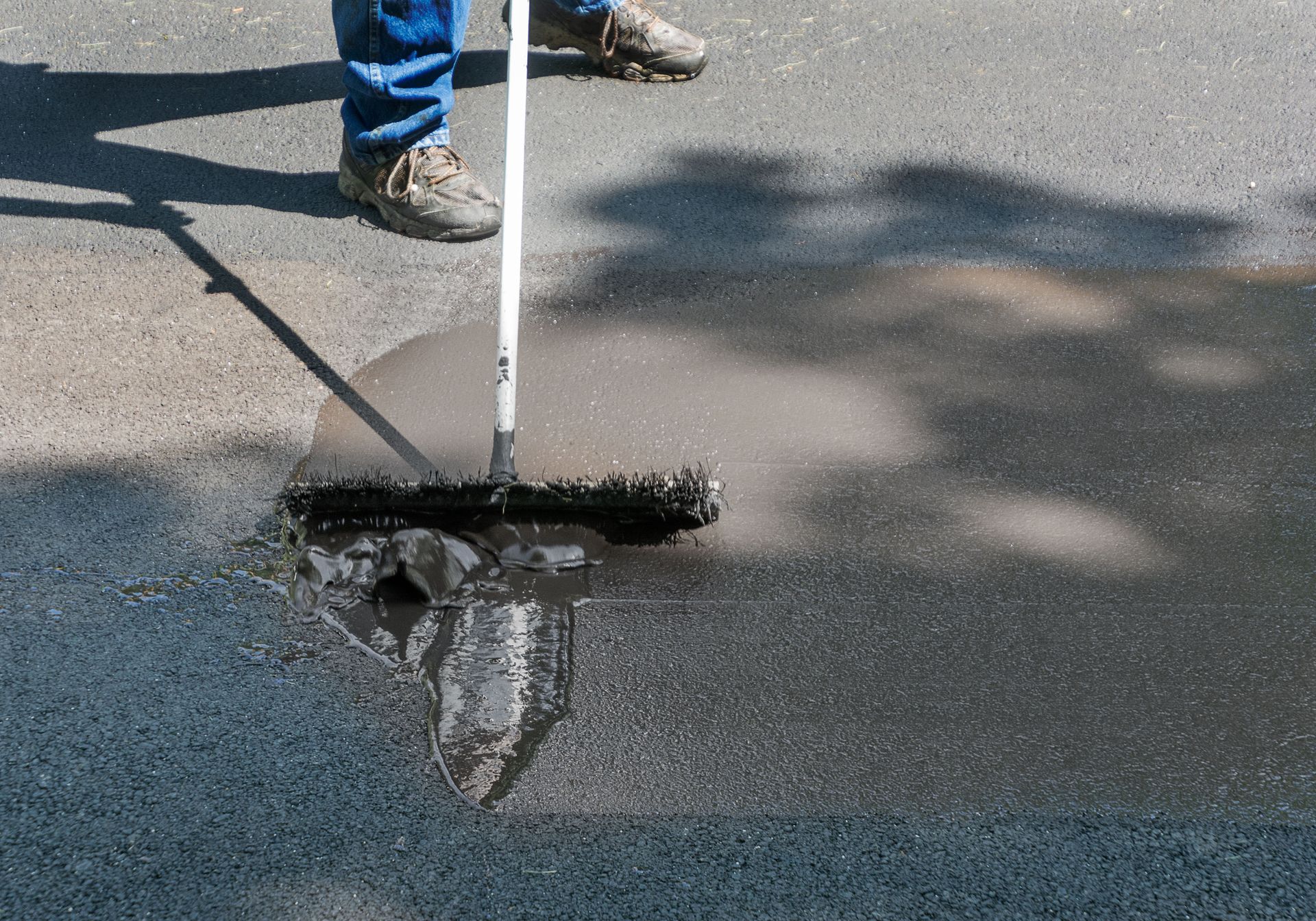
Seal coating can help protect suitable asphalt from UV exposure, water, and everyday wear while improving appearance. Fuller & Sons generally recommends seal coating every two to three years depending on traffic, sunlight, and surface condition.
Seal coating is preventive maintenance, not a structural repair. If the pavement already has potholes, deep cracks, unstable areas, or base failure, those problems should be addressed first.
Use Condition Data as a Reminder to Maintain Pavement
Even major transportation systems require ongoing pavement maintenance. According to the Federal Highway Administration, approximately 10% of the nation's National Highway System pavement miles were rated in poor condition, while 26% were rated acceptable. The figures show how pavement condition changes over time even on heavily monitored road networks.
The same basic principle applies to driveways and parking lots: pavement benefits from inspection, maintenance, and timely repair. Waiting until deterioration is widespread can reduce the number of practical options.
Scheduling blacktop repair when damage is still localized may help preserve surrounding pavement and make it easier to plan maintenance before a larger project becomes necessary.
Know When Repair May No Longer Be Enough
Not every damaged surface can be restored with crack sealing or patching. Widespread alligator-style cracking, extensive settlement, repeated potholes, major drainage failures, or deterioration across a large percentage of the pavement can indicate deeper structural problems.
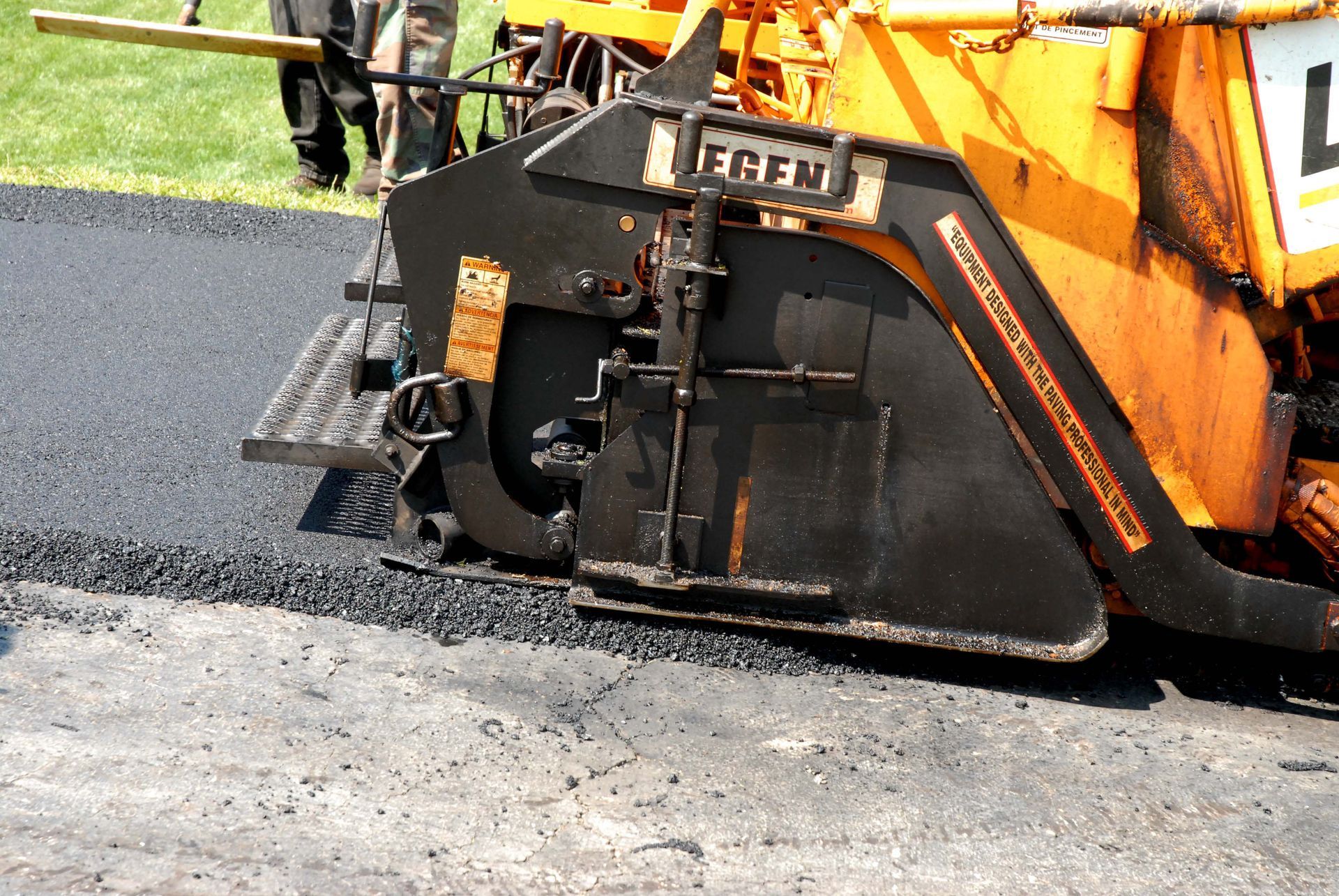
In those cases, resurfacing or replacement may provide better long-term value than continuing to repair isolated symptoms. Fuller & Sons offers asphalt paving, repair, parking lot resurfacing, and new construction paving, so our team can evaluate the overall condition and discuss realistic options.
When deciding what level of work is appropriate, consider:
- Damage pattern: A single isolated defect is different from cracking across the entire surface.
- Base condition: Recurring failures may indicate problems below the asphalt.
- Drainage: Standing water or poor runoff can continue damaging new repairs.
- Traffic: Commercial lots and frequently used driveways may experience different loads.
- Repair history: Areas that repeatedly fail may need a more complete solution.
Schedule Professional Repair Before Damage Spreads
Small asphalt problems are easier to manage when they are identified before they affect surrounding pavement. Cracks, potholes, raveling, edge deterioration, depressions, drainage concerns, and surface wear are all reasons to take a closer look rather than waiting for complete failure.
Fuller & Sons Blacktop Paving is a family-owned and family-operated company serving Northwest Iowa since 1990. Our licensed and insured team has more than 30 years of experience with asphalt paving, blacktop repair, hot rubberized crack sealing, pothole repair, seal coating, parking lot resurfacing, driveways, and new construction. All work is guaranteed, warranty options are available, and we provide free estimates.
If you are seeing cracks, potholes, rough areas, or drainage problems on your driveway or parking lot, contact Fuller & Sons Blacktop Paving. Our team can evaluate the damage, explain whether maintenance, resurfacing, or blacktop repair is appropriate, and help address the problem before a larger section of pavement deteriorates.